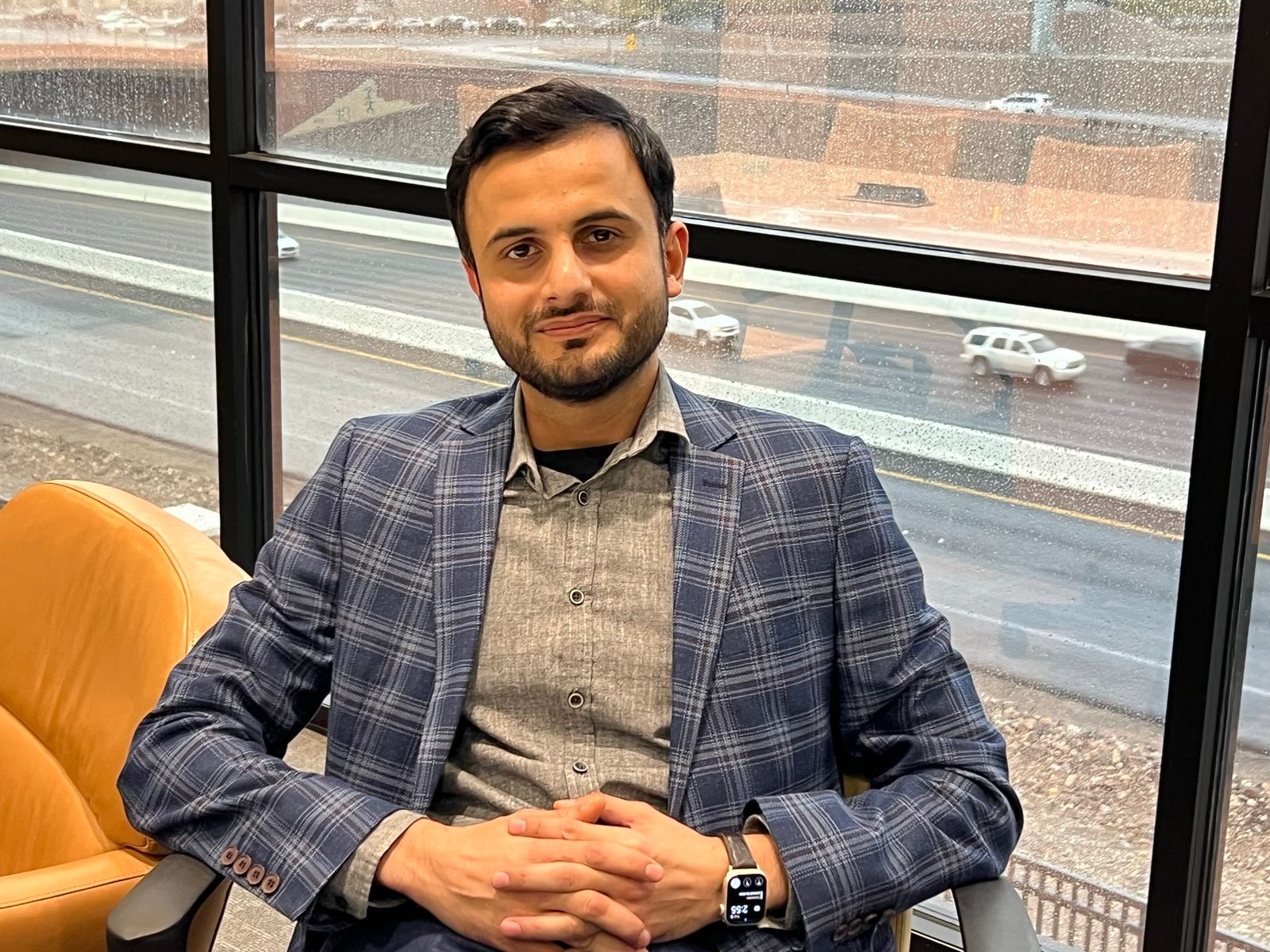
I started Software Pro in 2015 because, after a decade of watching software projects ship late, ship wrong, or ship at the cost of the engineers building them, I was convinced the agency model could be built better. Not bigger. Better.
Most of the agency failures I watched up close were not failures of intent. They were predictable. A senior engineer wins the pitch, a junior team delivers the code, the project manager forwards an unread Friday update, and three months in, nobody remembers what the original brief actually said. The pattern repeats because the incentives encourage it.
We built Software Pro to break that pattern. The senior engineer who scopes the work is the engineer who builds it, or whose name is on the architecture with reviews on every pull request. We hire engineers who would otherwise be principal-level at a name-brand company, pay them appropriately, and protect them from the kind of fire drills that burn out good talent in two years.
How We Work With Clients
Every engagement starts with the question most agencies skip: what does success actually look like for you, measured in something other than "we shipped on schedule." If the answer is fuzzy, we spend the first week sharpening it before the first PR. The clients who get the most from us are the ones who treat that week as part of the work, not a delay.
Software Pro, headquartered in NYC, means our senior team is available in your time zone, in person if your team is in New York, and in the regulatory and market context that most of our US clients operate in. That is not staffing logistics. It is what makes hard technical conversations move fast enough to matter.
What Comes Next
The technology stack we work in this year is not the one we worked in five years ago, and it will not be the one we work in five years from now. The discipline we keep constant is the one that matters: rigorous architecture review, working production code over working slides, and engineers who would rather tell a client "this will not work" early than ship something they cannot defend later.
The team we have built has delivered for hundreds of clients across SaaS, fintech, healthcare, and enterprise. None of those projects taught us the same lesson, and that is the point. If you are a startup choosing your first engineering team, or an enterprise modernizing systems nobody alive understands anymore, the right next conversation is a candid one about what you have actually tried.
Thank you for reading. The next step is not a sales call. It is a thirty-minute conversation about your problem, and an honest answer about whether we are the right team to solve it.
Hamid Mahmood
CEO & Founder, Software Pro